As the global landscape of entertainment and technology continues to evolve, Brazil's casino industry is poised to undergo a significant transformation with the adoption of virtual reality (VR). This technology, which immerses users in a digital environment, is not just a novelty but a game-changer that could redefine the Brazilian gambling experience, aligning with both current technological trends and regulatory frameworks.
Virtual Reality: A New Frontier in Gaming
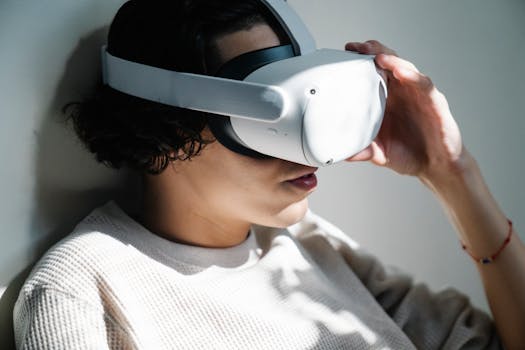
Virtual reality in gaming leverages VR headsets to create immersive, three-dimensional worlds, offering an experience far more engaging than traditional two-dimensional screens. This leap in technology is particularly pertinent in Brazil, where stringent gambling laws have historically constrained the growth of physical casinos. VR offers a compelling solution by simulating the casino experience in a virtual space, thus bypassing some of the legal complexities associated with brick-and-mortar establishments.
.png)
Enhancing User Experience
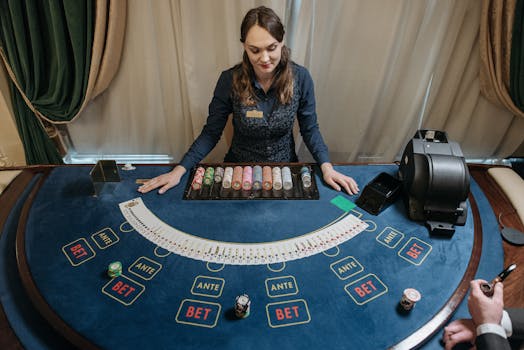
The most immediate impact of VR on Brazil's casino industry is the enhanced user experience. Virtual casinos can simulate walking on a casino floor, interacting with dealers and players, and playing games with realistic, lifelike details. This level of immersion is impossible to achieve through traditional online gambling platforms and represents a significant shift in how users can engage with gambling activities.
Targeting the Tech-Savvy Youth
The demographic landscape of gamblers is changing, with younger generations seeking dynamic and interactive entertainment options. VR is ideally positioned to attract these younger, tech-savvy users who might not be drawn to traditional gambling venues or even standard online platforms. By integrating cutting-edge technology, VR casinos can appeal to a demographic that values innovation and immersive experiences.
Opportunities for Innovation and Expansion
For operators, VR not only provides a tool for compliance and expansion into restricted markets but also opens up a realm of possibilities for creative and innovative gambling experiences. Virtual reality allows for the inclusion of elements and settings that would be impractical or impossible in a physical casino. This could range from underwater poker rooms to space-themed slot machines, offering users unique experiences that enhance engagement and retention.
Navigating Regulatory Frameworks
One of the significant advantages of VR casinos in Brazil is their ability to operate within the complex legal landscape. Since these platforms do not require physical gambling spaces, they present a unique way for operators to offer gambling services without navigating the full extent of casino regulations. This could facilitate quicker entries to market and allow operators to reach users in areas where traditional casinos are not permissible.
Boosting Tourism and Economic Impact
While VR casinos are primarily accessed online, there is potential for creating VR lounges or entertainment hubs in tourist areas, drawing both locals and visitors. These hubs could serve as modern attractions, aligning with global technological trends and promoting local tourism and economic growth.
Addressing Challenges
Despite the promising prospects, the adoption of VR in Brazil's casino industry faces hurdles. The cost of VR technology and the infrastructure required to support it, including high-speed internet, remains high. Additionally, there's a need to ensure that VR gambling does not exacerbate issues related to gambling addiction, requiring responsible gambling measures and robust support systems.
Conclusion
As Brazil continues to explore and embrace new technologies, VR stands out as a transformative tool for the casino industry. With its ability to enhance user experience, attract younger demographics, navigate regulatory issues, and potentially boost tourism, VR could play a pivotal role in shaping the future of gambling in Brazil. By continuing to invest in and develop VR technologies, stakeholders in Brazil's casino industry can look forward to a new era of immersive and innovative gambling experiences that are both engaging and compliant with local laws.