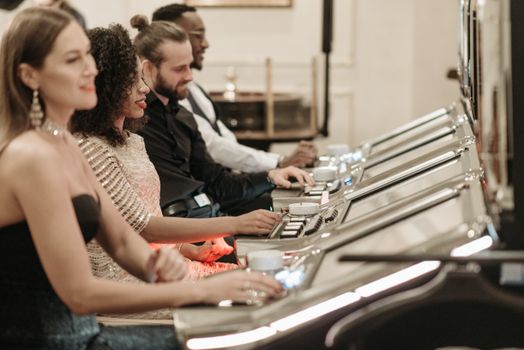
Brazil’s casino industry is at a pivotal moment. After decades of prohibition, new legislative efforts and shifting public attitudes are bringing the possibility of legal land-based casinos closer to reality. This transformation has far-reaching implications, not just for investors and gamblers, but for job seekers across the country. From direct casino roles to auxiliary services and tech-driven positions, the sector is poised to become a significant source of employment. In this article, we explore the evolving landscape of employment opportunities in Brazil’s casino industry, highlighting roles, required skills, potential growth, and how Brazil compares to other gaming markets in Latin America.
The Legal Landscape and Its Impact on Casino Jobs
Brazil has a complex history with gambling. In 1946, all casinos were banned by President Eurico Gaspar Dutra, putting an end to a vibrant era of glamorous gaming venues. For over 75 years, gambling remained largely illegal, except for a few state lotteries and horse race betting. However, recent years have seen renewed debate and legislative proposals aimed at regulating and legalizing land-based casinos, in part to boost tourism and create jobs.
As of early 2024, Brazil’s Chamber of Deputies has advanced a bill to legalize integrated casino resorts, with final approval pending in the Senate. According to the Brazilian Association of Hotels (ABIH), the legalization could create up to 650,000 direct and indirect jobs in the first phase alone.
.png)
Key legal milestones impacting employment:
- 2018: Legalization of fixed-odds sports betting, setting a precedent for broader gaming reform. - 2022-2024: Multiple bills proposed to legalize casinos, with some progress in Congress. - 2024: Ongoing debates and strong support from tourism and business sectors.If legalization is finalized, Brazil could see the emergence of 1-3 major casino resorts per state, each employing thousands of workers across multiple departments.
Types of Jobs Created by Brazil’s Casino Industry
The casino industry has one of the broadest employment footprints in hospitality and entertainment. The spectrum of roles is diverse, spanning both operational and support functions.
1. $1 These are front-line roles such as dealers, slot attendants, pit bosses, surveillance staff, and floor supervisors. For example, a single integrated resort in Las Vegas may employ over 400 table game dealers and 1,200 slot machine attendants. 2. $1 Casinos are often part of larger resorts, creating demand for hotel managers, front-desk clerks, concierges, valets, and housekeeping. According to the American Gaming Association, nearly 40% of casino jobs in the U.S. are in hospitality or guest services. 3. $1 Restaurants, bars, and buffets require chefs, waiters, bartenders, and kitchen staff. A large resort may operate 10-20 dining outlets, each with dedicated teams. 4. $1 Show production crews, performers, ticketing staff, and event planners are needed to support concerts, theater shows, and conferences held at casino venues. 5. $1 Maintaining safety and regulatory compliance requires robust security teams, surveillance officers, and compliance managers. 6. $1 General managers, financial controllers, human resources, and marketing professionals keep operations running smoothly. 7. $1 As casinos modernize, IT support, digital marketing experts, game developers, and cybersecurity specialists become increasingly important, especially with the growth of online and hybrid offerings.The anticipated job creation isn’t limited to direct employment; it also extends to construction, maintenance, logistics, and local suppliers. For every casino role, several indirect jobs are often generated in the broader economy.
Essential Skills and Qualifications for Casino Careers in Brazil
Unlike some industries, the casino sector welcomes a mix of entry-level candidates and highly skilled professionals. Here’s what aspiring employees should know:
- $1 With an estimated 80% of casino roles involving direct guest interaction, strong interpersonal abilities are crucial. - $1 Knowledge of English and Spanish can be a major advantage, especially for international resorts targeting tourists. In Macau, over 60% of staff at integrated resorts speak at least two languages. - $1 For IT, surveillance, and game operations, familiarity with casino management systems and security protocols is highly valued. - $1 Dealers and security staff typically require specialized training and licensing, which may be standardized if Brazil’s legislative framework follows models used in Las Vegas or Singapore. - $1 The fast-paced, regulated environment demands high ethical standards and the ability to adapt to technological change.Brazil’s vocational schools and hotel management programs are already expanding their offerings in anticipation of casino legalization, with some universities piloting gaming management courses as of 2023.
Comparing Casino Employment: Brazil vs. Other Latin American Markets
Brazil is not the only Latin American country exploring or expanding casino gaming. Comparing regional markets provides valuable insight into expected employment impacts.
| Country | Number of Casinos | Estimated Direct Jobs | Key Sectors |
|---|---|---|---|
| Brazil (projected) | 30-50 (if legalized) | Up to 650,000 (direct & indirect) | Gaming, Hospitality, Entertainment, Security |
| Argentina | 80+ | 100,000+ | Gaming, Food & Beverage, Maintenance |
| Uruguay | 15 | 10,000 | Gaming, Tourism, Events |
| Chile | 25 | 30,000 | Gaming, Resort Operations |
| Peru | 45+ | 20,000 | Gaming, Hospitality |
Brazil’s sheer population and tourism potential mean that its casino sector could outpace neighbors in both job creation and industry scale. The Brazilian Institute of Geography and Statistics (IBGE) reports that the country’s hospitality sector already employs over 1.6 million people; casinos could boost this figure by 10-20% within five years of legalization.
Economic and Social Impact of Casino Employment in Brazil
The employment potential of casinos goes beyond numbers on a spreadsheet. There are several broader benefits and challenges to consider:
- $1 Casino resorts are often located in underdeveloped or tourist-focused regions, helping to stimulate local economies. For instance, the city of Las Vegas saw its population triple within 30 years of becoming a gaming hub. - $1 Integrated resorts attract international visitors, creating demand for local tour operators, transport services, and artisans. - $1 Increased employment leads to higher tax receipts for local and federal governments, funding infrastructure and social programs. - $1 Casino positions typically offer structured career progression, above-average wages, and benefits compared to other service industries. In Uruguay, average casino wages are 22% higher than in standard hospitality roles. - $1 Increased gambling access brings potential risks of addiction and financial harm. Employment programs often include training on responsible gaming, with some resorts funding counseling services for staff and communities.Brazilian policymakers are closely studying international best practices to ensure that casino employment drives inclusive and sustainable growth.
Preparing for a Career in Brazil’s Casino Industry
As Brazil edges closer to casino legalization, forward-thinking job seekers can take concrete steps to prepare:
- $1 Enroll in programs related to hospitality, tourism, languages, or IT. Several Brazilian universities, such as Universidade Anhembi Morumbi, now offer elective courses in gaming management. - $1 Monitor regulatory developments. Once casinos are legalized, government agencies may introduce licensing and dealer schools, similar to those in the U.S. and Europe. - $1 Attend industry events, job fairs, and online webinars. International casino operators often hold recruitment drives ahead of project launches. - $1 Begin or enhance English and Spanish language training to increase employability in international resorts. - $1 Follow news on legislative progress, major investors, and proposed resort locations to target job openings as they arise.With the right preparation, Brazilians from diverse backgrounds—students, career changers, hospitality workers, and tech professionals—can find rewarding opportunities in this dynamic industry.
Opportunities and Outlook: The Future of Casino Employment in Brazil
The coming years could see Brazil emerge as the largest casino employment market in Latin America. With the potential to create over half a million jobs, the industry represents a unique chance to revitalize tourism, provide stable careers, and foster economic resilience.
If Brazil follows the global trend of integrated resorts—combining gaming, hotels, entertainment, and retail—there will be roles for everyone from culinary artists to software engineers. The key for job seekers is to prepare now, position themselves with relevant skills, and stay engaged as the regulatory landscape evolves.