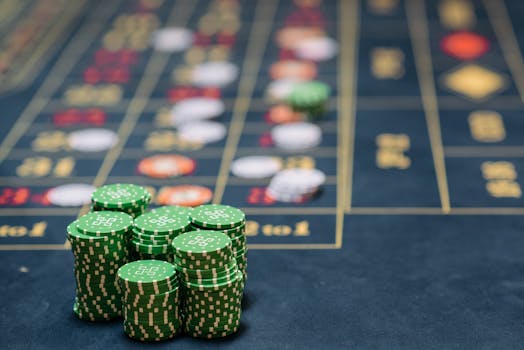
Brazil’s casino industry has long been a subject of fascination and debate, but its impact stretches far beyond the walls of gaming halls and online platforms. As Brazil moves closer to fully regulating and integrating casinos into mainstream society, the influence of its casino industry on popular culture has grown increasingly significant. From music and film to fashion and social norms, the casino sector has left an indelible mark on Brazilian life, blending elements of glamour, risk, and entertainment. This article explores how Brazil’s burgeoning casino industry shapes and inspires popular culture, drawing on specific examples, statistics, and cultural touchstones.
The Historical Roots of Casino Culture in Brazil
Although modern casinos are often associated with bright lights and high-tech gaming, Brazil’s relationship with gambling dates back to the 19th century. The first legal casinos opened in the 1920s, quickly becoming cultural hubs where music, dance, and socializing were as important as the games themselves. Iconic venues like the Copacabana Palace in Rio de Janeiro hosted legendary performers such as Carmen Miranda and Pixinguinha, cementing the casino as a place of both entertainment and cultural expression.
However, in 1946, President Eurico Gaspar Dutra banned casinos nationwide, arguing that gambling was at odds with social morals. Despite this prohibition, the allure of casinos persisted in Brazilian collective memory, often romanticized in films, novels, and popular songs. The longing for the glitz and communal spirit of the casino era has shaped cultural attitudes, influencing everything from nightlife to television game shows.
.png)
Casinos in Brazilian Film, Music, and Television
Brazilian popular culture is rich with references to the world of casinos and gambling. The glamour and intrigue associated with casinos have provided inspiration for countless movies, TV shows, and musical works. For instance, the 2017 film "O Roubo da Taça" (The Great Mystical Circus) weaves elements of risk and chance reminiscent of casino culture into its plot, highlighting the enduring fascination with gambling motifs.
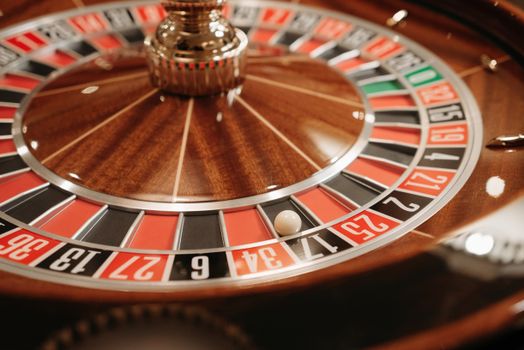
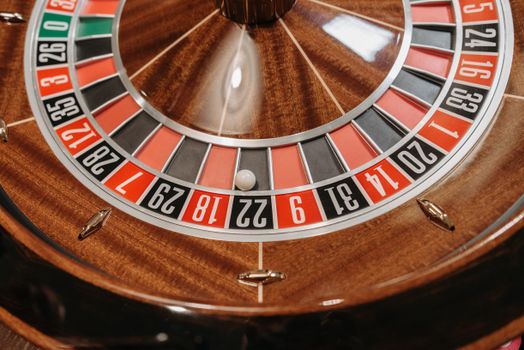
In music, samba and bossa nova frequently reference the unpredictability of life, drawing metaphors from games of chance. Iconic songs like "A Felicidade" by Tom Jobim and Vinicius de Moraes allude to the fleeting nature of luck, echoing themes found in casino gaming. Television, too, has embraced casino aesthetics, with popular game shows such as "Show do Milhão" and "Roleta da Sorte" adopting roulette wheels and casino-style sets to amplify excitement and suspense.
Notably, a 2022 survey by Datafolha revealed that over 43% of Brazilians associate casinos with positive cultural experiences, such as music, socializing, and glamour, demonstrating how deeply casino imagery is embedded in Brazil’s popular imagination.
Fashion, Nightlife, and the Casino Aesthetic
The influence of casinos extends well beyond the gaming floor, permeating Brazil’s fashion and nightlife scenes. Casino-inspired fashion trends—think sequined dresses, tuxedos, and lavish accessories—have become staples at high-end parties and Carnival celebrations. Designers often draw inspiration from the opulent styles once seen in Brazil’s historic casinos, blending retro glamour with contemporary flair.
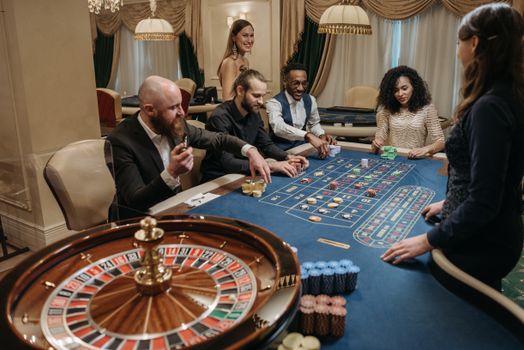
Nightclubs and event spaces across major cities like São Paulo and Rio de Janeiro frequently host "casino nights," featuring table games, themed décor, and live music reminiscent of the golden age of Brazilian casinos. These events, while often not involving real gambling due to legal restrictions, capture the exhilarating atmosphere of classic casinos, offering a taste of the excitement and style that have come to symbolize the industry in the national psyche.
According to a 2023 report by Sebrae, casino-themed parties and events grew by 27% in Brazilian urban centers over the past five years, underscoring the ongoing popularity of the casino aesthetic in fashion and nightlife.
Shaping Language and Social Attitudes
Casino vocabulary and metaphors have seeped into everyday Brazilian Portuguese, reflecting the industry’s cultural resonance. Phrases like "dar uma cartada" (play a card), "apostar alto" (bet high), and "jogar com a sorte" (play with luck) are commonly used to describe personal and professional risks. This linguistic adoption highlights how closely Brazilians associate the concepts of chance, strategy, and reward with broader life experiences.
Furthermore, the normalization of casino imagery has influenced social attitudes towards risk-taking and entertainment. Where gambling was once viewed with suspicion, a new generation increasingly sees it as a legitimate form of leisure and personal challenge. This shift is evident in the rise of poker clubs, e-sports tournaments, and fantasy sports, all of which borrow heavily from the casino playbook in terms of language, structure, and ethos.
A 2021 study by IBOPE found that 34% of Brazilians aged 18-35 viewed strategic games and betting as valuable skills, compared to just 19% in 2010. This increase reflects the growing integration of casino logic into everyday decision-making and self-expression.
Casino Industry and Brazilian Art: Inspiration and Innovation
Brazil’s vibrant art scene has not remained untouched by the allure of casinos. Visual artists, sculptors, and digital creators have incorporated casino motifs—playing cards, slot machines, and neon signs—into their work, using them as symbols of chance, fate, and economic aspiration. Galleries in cities like Belo Horizonte and Porto Alegre have hosted exhibitions exploring the cultural implications of gambling and games, often using casino imagery to comment on broader social and political themes.
Digital innovation is another area where casino culture has made its mark. Brazilian game developers have launched a wave of mobile and online casino-themed games that blend local aesthetics with global gaming trends. These digital experiences often feature Brazilian music, landscapes, and folklore, creating a unique fusion that appeals to domestic and international audiences alike.
Comparing Brazil’s Casino Culture with Other Nations
To better understand the distinctive influence of Brazil’s casino industry on popular culture, it is helpful to compare it with other major casino hubs around the world. The following table highlights key cultural impacts in Brazil, Las Vegas (USA), and Macau (China):
| Aspect | Brazil | Las Vegas (USA) | Macau (China) |
|---|---|---|---|
| Integration with Music & Arts | Strong; casinos historically linked to samba, bossa nova, and fine arts | Moderate; known for live performances, but less integrated with local music heritage | Limited; focus is more on gaming than cultural arts |
| Fashion Influence | High; casino aesthetics inspire Carnival and party scenes | Glamorous, but more commercialized | Luxury fashion prominent, but less tied to traditional culture |
| Language & Metaphors | Widespread use of gambling terms in daily language | Present, but not as embedded in cultural expressions | Some influence, mostly in business jargon |
| Social Perception | Increasingly positive, especially among youth | Generally accepted as entertainment | Seen as business and tourism driver |
| Artistic Representation | Frequent use of casino motifs in contemporary art | Occasional, often commercial art | Rare; art not a central aspect of casino life |
This comparison reveals Brazil’s unique approach: rather than viewing casinos solely as gambling venues, Brazilians have woven them into the nation’s artistic, linguistic, and social fabric.
The Role of Technology and Online Casinos in Shaping Culture
The digital revolution has accelerated the influence of casinos on Brazilian culture. Online casinos and mobile gaming platforms, now accessible to tens of millions of Brazilians, have broadened the reach of casino aesthetics and attitudes. The Brazilian Association of Fantasy Sports estimates that over 35 million Brazilians participated in some form of online betting or casino-style gaming in 2023—a number expected to rise as regulation advances.
These platforms often incorporate Brazilian themes, such as soccer, Carnival, and folk tales, blending global casino styles with local flavor. The result is an entirely new layer of cultural influence, where digital communities gather to play, socialize, and express themselves in ways reminiscent of the physical casino experience.
Moreover, influencers and celebrities have further propelled casino culture into the mainstream by participating in online gaming streams or hosting casino-themed events on social media. This digital visibility reinforces the association between casinos and modern Brazilian identity, especially among younger generations.
Brazil’s Casino Industry: A Cultural Force Reimagined
As Brazil moves toward greater acceptance and regulation of its casino industry, its influence on popular culture is set to deepen. What began as a niche form of entertainment has evolved into a multi-dimensional phenomenon, shaping everything from language and fashion to art and social norms. The blending of traditional Brazilian culture with the glamour and excitement of casino life has created a unique and enduring legacy—one that continues to inspire creativity, innovation, and social connection.
The casino industry’s cultural impact is not merely a reflection of changing attitudes toward gambling; it is a testament to Brazil’s ability to adapt and reinvent global trends in a distinctly local context. Whether through music, fashion, art, or digital experiences, the spirit of the casino lives on in Brazilian popular culture, promising to remain a dynamic and influential force in the years ahead.