The Impact of Virtual Reality Games on the Brazilian Gaming Market
The Brazilian gaming industry has experienced a remarkable transformation over the past decade. Once considered a niche hobby, gaming has become a mainstream cultural and economic force across Brazil. In 2023 alone, the Brazilian gaming market generated approximately $2.6 billion USD, ranking it among the top ten global gaming economies. At the forefront of this evolution is virtual reality (VR) gaming—a technology that’s not only redefining how Brazilians play but also reshaping the industry’s landscape.
This article explores the profound impact of VR games on the Brazilian gaming market, delving into market growth, consumer behavior, industry investment, and the unique challenges and opportunities VR presents in Brazil. From immersive experiences in favelas to world-class eSports events, VR is quickly becoming more than just a buzzword for Brazilian gamers.
Virtual Reality Gaming: A Catalyst for Market Expansion in Brazil
Virtual reality technology entered the Brazilian gaming scene relatively late compared to North America, Europe, and parts of Asia. The first wave of VR headsets—like the Oculus Rift and HTC Vive—became available in Brazil around 2016, but high import taxes and limited local distribution initially slowed adoption. Nevertheless, as global VR hardware prices decreased and local manufacturers started producing affordable alternatives, Brazilian gamers began to embrace virtual reality in increasing numbers.
.png)
According to the Brazilian Association of Digital Game Developers (Abragames), VR/AR gaming revenue in Brazil grew by 35% between 2021 and 2023, reaching nearly $75 million USD. While this is still a small fraction of the total gaming market, the growth rate far outpaces traditional console and PC game segments during the same period.
Several factors have contributed to this rapid expansion: - Increased accessibility through local production of VR headsets, such as Positivo’s VR Glass, retailing for less than 500 BRL (about $100 USD) - A growing ecosystem of VR arcades and gaming centers in major cities like São Paulo, Rio de Janeiro, and Belo Horizonte - Strategic partnerships between Brazilian game studios and international VR content distributorsBy 2024, Brazil is expected to have over 400,000 active VR gamers—a significant leap from just 50,000 in 2018.
How VR Games Are Changing Brazilian Gamer Behavior
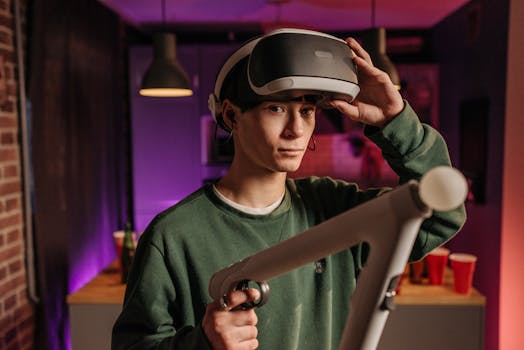
The immersive nature of VR games is transforming the traditional gaming experience for Brazilians. Unlike traditional console or mobile games, VR titles require players to physically interact with their environment, fostering greater engagement and social interaction.
A 2023 survey by Datafolha found that 62% of Brazilian VR gamers use their headset for multiplayer or social experiences, such as virtual parties or co-op adventures. Popular VR games like Beat Saber, Half-Life: Alyx, and local titles like “Cidade Maravilhosa VR” offer players a sense of presence and community that standard games cannot match.
Key behavioral shifts among Brazilian VR gamers include: - Increased physical activity: Games like BoxVR and Superhot VR double as fitness experiences, appealing to health-conscious urban youth - Rise of VR eSports: Competitive platforms like Echo VR and Onward have spawned local tournaments, with prize pools exceeding 100,000 BRL ($20,000 USD) in 2023 - Social VR spaces: Apps like VRChat and Rec Room are being used for virtual meetups, educational sessions, and even business networkingThese trends indicate that VR isn’t just about playing games; it’s about creating new social and cultural hubs where Brazilians can connect, collaborate, and compete.
Investment, Innovation, and the Growth of VR Game Development
Brazil’s vibrant game development community has quickly recognized the potential of VR. Over 50 Brazilian studios now have VR projects in development or already launched, compared to just 12 in 2018. Major players like ARVORE Immersive Experiences—creators of the internationally acclaimed “Pixel Ripped” series—have put Brazil on the global VR map.
Investment in VR game development is on the rise: - In 2023, Brazilian VR devs secured over $18 million USD in venture funding, up from $6 million in 2021 - The São Paulo Innovation Fund launched a $10 million accelerator program specifically for VR and AR startups - Government-backed initiatives, such as the Brazilian Development Bank’s “Games for the Future” grant, are supporting VR research in education, healthcare, and tourismLocal developers are producing content that resonates with Brazilian culture. For example, “Favela VR” transports players to a meticulously recreated Rio de Janeiro neighborhood, blending entertainment with socio-cultural commentary. Meanwhile, “Amazonia VR” offers an ecological adventure through the Amazon rainforest, raising awareness about conservation.
Challenges: Accessibility, Infrastructure, and Economic Hurdles
Despite its rapid growth, VR gaming in Brazil faces significant challenges, primarily related to accessibility and infrastructure. Brazil’s high import taxes can inflate the cost of imported VR hardware by 60% or more, making top-tier devices like the Meta Quest 3 or PlayStation VR2 prohibitively expensive for many consumers.
Additionally, VR gaming requires powerful PCs or consoles and stable, high-speed internet—resources that are not universally available across Brazil, especially outside major urban centers. According to IBGE data, only about 53% of Brazilian households had access to broadband internet by late 2022.
The following table highlights key differences between VR gaming accessibility in Brazil versus the United States:
| Factor | Brazil (2023) | United States (2023) |
|---|---|---|
| Average cost of VR headset (mid-range) | $400 USD (with taxes) | $300 USD |
| Household broadband penetration | 53% | 87% |
| VR arcades per 1 million residents | 3 | 15 |
| Active VR developers | ~50 studios | ~300+ studios |
These figures illustrate the infrastructural and economic gaps that must be addressed for VR gaming to achieve mass adoption in Brazil. However, ongoing initiatives by both public and private sectors aim to make VR hardware more affordable and enhance broadband coverage nationwide.
Virtual Reality Gaming in Brazilian Education and Tourism
One of the most promising avenues for VR gaming in Brazil lies outside the entertainment sector: education and tourism. Brazilian schools and universities are increasingly using VR to create immersive learning experiences, particularly for subjects like history, biology, and geography.
For example, the State University of Campinas (Unicamp) launched a VR program in 2022 allowing students to explore digital reconstructions of ancient civilizations and Brazilian historical landmarks. Early studies indicate a 30% increase in knowledge retention when lessons are delivered with VR content compared to traditional methods.
The tourism industry is also leveraging VR to attract both domestic and international travelers. The Brazilian Tourism Board (Embratur) partnered with several VR studios to develop “Visit Brazil VR,” an app offering virtual tours of the Christ the Redeemer statue, Iguazu Falls, and Salvador’s Pelourinho district. These experiences, accessible via smartphone or VR headset, are helping to boost interest in Brazilian destinations—crucial for an industry that contributes over 7% to Brazil’s GDP.
The Road Ahead: Opportunities and Future Trends in Brazilian VR Gaming
Looking to the future, several trends suggest that VR gaming will play a pivotal role in shaping Brazil’s digital entertainment landscape:
- Local Content Creation: As more Brazilian studios develop VR games reflecting national culture, language, and history, the appeal of VR will deepen for local audiences. - Mobile VR Solutions: Affordable, smartphone-powered VR headsets are expected to drive adoption in lower-income regions, bypassing the need for expensive PCs or consoles. - Government Support: Continued investment in digital infrastructure and tech education will lower barriers for both players and developers. - Cross-Industry Applications: Beyond gaming, VR is being integrated into therapy, architecture, real estate, and workforce training in Brazil.Industry analysts predict that by 2027, Brazil’s VR/AR gaming segment will surpass $200 million USD in annual revenue, with over 1 million active VR gamers. This growth will be fueled by a combination of technological innovation, local content development, and improving economic conditions.
Final Thoughts on the Impact of Virtual Reality Games on the Brazilian Gaming Market
Virtual reality games are changing the face of the Brazilian gaming market, driving innovation, investment, and a new era of digital engagement. While challenges remain—particularly around affordability and infrastructure—the potential for growth is enormous. As VR technology becomes more accessible, and as local developers continue to create culturally relevant experiences, Brazil is poised to become a major player in the global VR gaming revolution.
From educational breakthroughs to tourism innovation and competitive eSports, VR is offering Brazilians new ways to learn, connect, and play. The coming years will be crucial in determining how deeply VR embeds itself in Brazilian culture—but all signs point toward a vibrant, immersive future.