Brazil’s casino industry has experienced a remarkable transformation over the past century, especially when it comes to game design. From the early days of classic card games in glamorous salões to today’s cutting-edge digital slots and immersive experiences, the evolution of Brazilian casino game design tells a story of adaptation, innovation, and cultural integration. With legislative changes, technological leaps, and a growing appetite for entertainment, the landscape of casino games in Brazil is being reshaped at a rapid pace.
This article explores how game design in Brazil’s casino industry has evolved—from its historical roots to modern trends and future possibilities. We’ll examine the factors driving these changes, the influence of local culture and technology, and how Brazil’s unique approach sets it apart on the global stage.
Early Days: Classic Game Design and Cultural Foundations
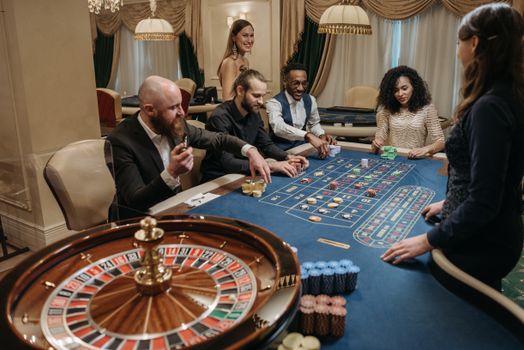
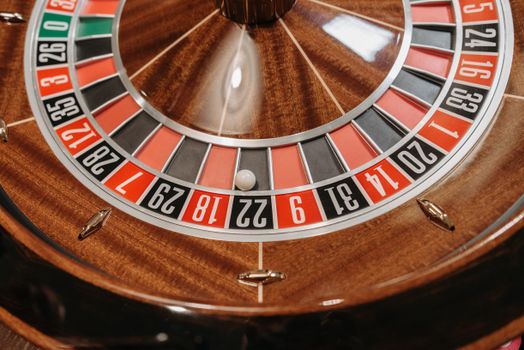
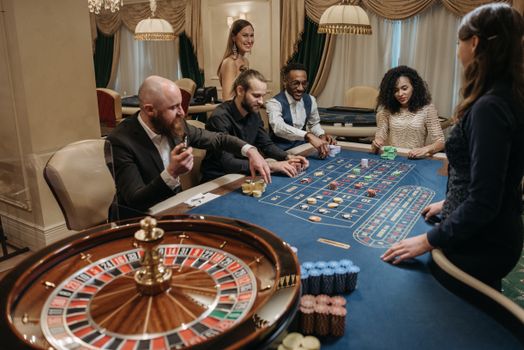
Casino gaming in Brazil dates back to the early 20th century, when luxurious casinos flourished in cities like Rio de Janeiro and Petrópolis. Traditional games such as baccarat, roulette, and poker formed the backbone of these establishments. Game design in this era focused on simplicity, elegance, and social interaction.
.png)
Key facts about this period include:
- By the 1930s, Brazil had more than 70 active casinos, each featuring a blend of European and local gaming styles. - Games were often accompanied by live music, theatre, and dance, emphasizing the social and cultural aspects of gaming. - The design of gaming tables, chips, and cards often incorporated Brazilian motifs, such as tropical plants and national colors.However, in 1946, President Eurico Gaspar Dutra banned casino gambling, leading to a long hiatus in legal gaming. This pause influenced the clandestine evolution of game design, with informal jogo do bicho (“animal game”) lotteries and underground poker circles maintaining a presence in Brazilian society.
Rebirth and Regulation: The Digital Era Arrives
The late 20th and early 21st centuries saw Brazil move steadily towards relegalizing certain forms of gambling. The internet played a crucial role in this transformation, introducing online casinos and paving the way for a new era of game design.
Key developments include:
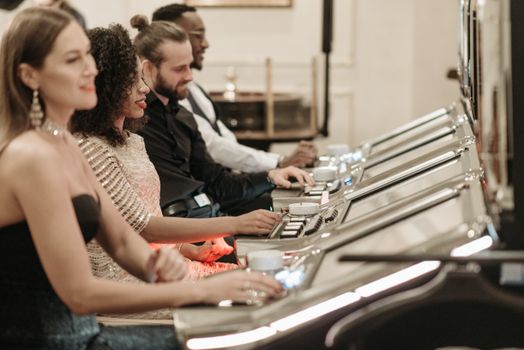
- In 2018, Brazil legalized fixed-odds sports betting, setting the stage for broader forms of legal gaming. - Online casino platforms targeting Brazilian players began offering digital versions of slots, blackjack, and roulette—often translated into Portuguese and featuring Brazilian themes. - Game designers started to incorporate local legends, such as Saci-Pererê and Iara, into slot machine graphics, making games more appealing to Brazilian audiences.The shift from physical to digital demanded new skills and creativity. Brazilian game designers began collaborating with international studios, blending local culture with global gaming trends. By 2023, Brazil’s online gambling market was estimated to be worth over BRL 10 billion (approximately USD 2 billion), with thousands of games tailored to Brazilian tastes.
Innovative Game Mechanics: Local Flavors and Player Preferences
Modern Brazilian casino game design is a fusion of tradition and innovation. Developers today experiment with game mechanics that appeal to local preferences and reflect the country’s vibrant culture.
Some notable trends include:
- $1 Games increasingly tell stories rooted in Brazilian folklore, festivals (like Carnaval), and football. For example, slot games may feature samba dancers or iconic landmarks like Christ the Redeemer. - $1 As of 2024, over 93% of Brazilian internet users access the web via mobile devices. Game designers prioritize mobile compatibility, touch controls, and fast-loading interfaces. - $1 Leaderboards, achievements, and social sharing features are integrated to engage Brazil’s highly social gaming population. - $1 With high internet penetration and improved streaming technology, live dealer games—hosted by Portuguese-speaking dealers—bring the authentic casino experience into players’ homes.The following table compares popular casino game types and key design features in Brazil:
| Game Type | Design Innovations | Popularity (2024) | Cultural Integration |
|---|---|---|---|
| Slots | Brazilian themes, music, mobile-optimized | High (60% of online casino play) | Carnaval, folklore, football |
| Poker | Social play, localized tournaments | Moderate (15%) | Portuguese commentary, local rules |
| Roulette | Live dealer, immersive graphics | Moderate (12%) | Brazilian hosts, national colors |
| Bingo | Mobile-first, quick rounds | Growing (8%) | Popular in the Northeast, local slang |
| Sports-themed Games | Football betting, themed slots | Rising (5%) | Famous teams/players, match events |
Technology and Accessibility: Shaping the Modern Casino Experience
Technology is at the forefront of game design evolution in Brazil’s casino sector. Key innovations have made games more engaging, accessible, and secure for a diverse audience.
- $1 AI-driven personalization suggests games based on player behavior and customizes in-game offers, boosting engagement and retention. - $1 While still emerging, VR and AR casino games are being piloted in Brazil, offering immersive 3D environments such as virtual Rio Carnival parties or Amazonas-themed casinos. - $1 The widespread adoption of Pix, Brazil’s instant payment system, has made deposits and withdrawals seamless for online casino players. Over 70% of players now prefer Pix for gaming transactions. - $1 Game designers are implementing larger fonts, audio cues, and color-blind friendly palettes to ensure everyone can participate.In 2023, a survey by the Brazilian Association of Online Gaming found that 57% of respondents cited "easy payment and access" as a top reason for choosing a particular online casino platform, underscoring how crucial technology has become in shaping player experience.
Regulation, Responsibility, and the Road Ahead
The evolution of game design in Brazil’s casino industry is closely linked to regulatory changes and the push for responsible gaming. As lawmakers debate broader legalization, designers face the challenge of creating games that are not only entertaining but also safe and compliant.
Key regulatory and ethical considerations include:
- New laws may require in-game warnings about problem gambling, time limits, and self-exclusion options. - Game design now incorporates features that encourage moderation, such as session timers and loss limits. - Collaboration between regulators, operators, and designers is increasing. In 2024, the Ministry of Economy reported a 32% rise in compliance audits for gaming software.Moreover, the Brazilian government is exploring certification processes for game fairness and random number generation, drawing on models from Europe and North America. This helps build trust among players and sets a high standard for future game development.
Brazil’s Unique Approach: Blending Tradition with Innovation
What sets Brazil apart in the global casino game design landscape is its ability to blend deep-rooted cultural elements with forward-thinking innovation. Brazilian designers leverage a rich national identity, infusing games with local music, art, language, and humor. At the same time, they remain agile, embracing trends like blockchain-based games and social casino apps.
Examples of Brazil’s unique approach include:
- Games that celebrate local holidays, such as Festa Junina, with graphics, music, and rewards tied to the festivities. - Partnerships between gaming studios and Brazilian artists, resulting in visually distinct slot machines and card games. - The rise of community-focused gaming, where players can form online “clubs” to share strategies and compete in friendly tournaments.This approach not only appeals to domestic players but also attracts international audiences curious about Brazilian culture. As Brazil continues to liberalize its gaming laws and invest in tech infrastructure, the industry is poised for even greater creativity and growth.
The Future of Game Design in Brazil’s Casino Industry
Looking ahead, the evolution of game design in Brazil’s casino industry promises to accelerate. Expect continued convergence of entertainment, technology, and cultural storytelling. Key trends likely to shape the next decade include:
- Greater use of AI and big data to create hyper-personalized gaming experiences. - Expansion of VR and AR casinos, targeting both domestic and international tourists. - Ongoing integration of local culture, language, and values into new game releases. - Growth of responsible gaming tools, ensuring player safety as the market expands.With Brazil projected to become one of the top five gambling markets globally by 2030, the spotlight is on its game designers to balance innovation with tradition and responsibility. The result will likely be a casino gaming experience unlike any other—authentically Brazilian, technologically advanced, and deeply engaging.