Brazil is a nation known for its vibrant culture, expressive social life, and unique blend of traditions rooted in centuries of history. These cultural attributes don’t just shape the country’s music, food, and festivals—they also have a powerful impact on business sectors, including the casino industry. While gambling has long had a complicated legal status in Brazil, recent shifts in regulations and economic pressures have brought the casino sector back into the spotlight. But to truly understand the trajectory of Brazil’s casino industry, it’s essential to examine how cultural norms and values influence both public perception and the operational realities of casinos. This article explores the intricate relationship between Brazil’s rich cultural tapestry and the evolution of its casino industry, highlighting key societal factors, regional differences, and comparisons with other gambling hotspots.
Cultural Attitudes Toward Gambling in Brazil
Brazil’s approach to gambling is deeply intertwined with its societal values and history. Unlike some countries where gambling is seen as a purely recreational activity or a vice to be strictly controlled, Brazilians have a more nuanced relationship with games of chance.
Historically, gambling enjoyed popularity in Brazil, especially during the early 20th century when glamorous casinos were social epicenters for the elite. However, in 1946, President Eurico Gaspar Dutra banned all casinos, citing moral and religious concerns. This move mirrored a conservative wave in Brazilian society, heavily influenced by Catholic values that saw gambling as potentially corrupting.
.png)
Despite this, informal gambling persisted through popular games like jogo do bicho (the animal game), bingo, and lotteries. According to a 2023 survey by Datafolha, over 60% of Brazilians have participated in some form of gambling, legal or otherwise, in their lifetime. This demonstrates an underlying cultural acceptance—even enthusiasm—for games of chance, balanced by a persistent moral ambivalence shaped by religious and family values.
As Brazil debates whether to legalize and regulate casinos fully, these cultural attitudes continue to play a decisive role. Lawmakers must navigate a landscape where gambling is both a cherished pastime and a potential source of social harm.
Family, Social Life, and the Brazilian Casino Experience
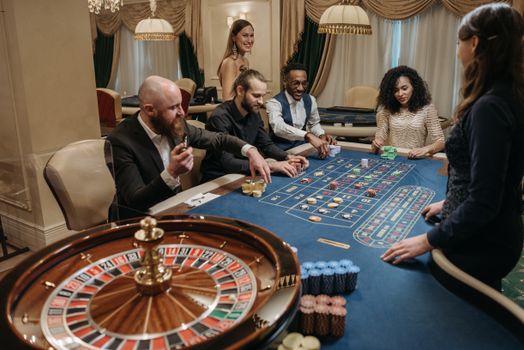
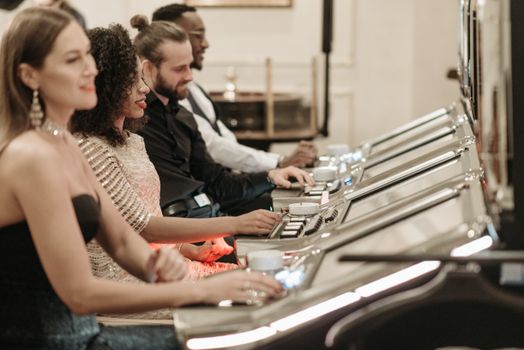
Family and community are at the heart of Brazilian society, and these values also influence how casinos are perceived and operated. Unlike the solitary image of gamblers in some cultures, Brazilians often approach gaming as a social activity, integrated into larger gatherings and festivities.
This social approach extends to the types of casino games that tend to gain popularity. Games that foster group participation—such as bingo, poker tournaments, and even digital table games—appeal more to Brazilian sensibilities than solitary slot machines. The popularity of jogo do bicho, for example, is tied to its communal nature, with local vendors and neighborhood pools.
Moreover, the idea of casinos as entertainment complexes rather than isolated gambling dens is gaining traction. New proposals for integrated resorts in cities like Rio de Janeiro and São Paulo focus on blending casinos with music venues, restaurants, and cultural shows. This approach aligns with Brazilian preferences for inclusive, multifaceted social experiences. According to the Brazilian Association of Hotels (ABIH), integrated resorts could potentially boost local tourism by up to 40%, illustrating how casinos are being positioned as hubs for cultural and family entertainment.
Religious and Moral Influences on Casino Legislation
Brazil’s legal framework for casinos has always been heavily influenced by religious and ethical considerations. The country is home to the world’s largest Catholic population—about 123 million people as of 2022, or roughly 59% of the population according to the Pew Research Center. The Catholic Church and other religious groups have historically lobbied against gambling, citing concerns about addiction, crime, and the breakdown of family values.
These concerns are reflected in the cautious pace of legislative change. For example, while bingo halls and slot machines were briefly legalized in the 1990s, they were shut down again in 2007 due to allegations of corruption and money laundering. The debate around legalizing casinos continues today, with religious leaders often voicing strong opposition during public hearings.
However, there are signs of compromise. Proponents of legalization argue that regulated casinos can fund social projects, support tourism, and generate tax revenue, all while implementing robust responsible gambling measures. In 2023, proposed federal legislation included provisions for mandatory contributions from casino revenues to public health and education programs—a concession to those who fear the moral costs of gambling.
Regional Differences: North vs. South Brazil Casino Culture
Brazil is a vast and diverse country, and attitudes toward gambling—and by extension, casinos—vary significantly across regions.
In the South and Southeast, where European immigration has left a lasting cultural impact, there is generally greater openness to casino-style entertainment. States like Rio Grande do Sul and São Paulo have historically hosted thriving bingo halls and card rooms. In contrast, the Northeast and North, where social conservatism and religious adherence are stronger, public opinion tends to be more cautious or even hostile toward gambling establishments.
This regional divide is evident in a 2022 IBOPE poll, which found that 65% of respondents in the South supported casino legalization, compared to just 42% in the North. These cultural differences are a major consideration for investors and policymakers, who must tailor their strategies to local norms.
The table below summarizes key regional differences in attitudes toward casinos:
| Region | Support for Casino Legalization | Dominant Cultural Influences | Historical Presence of Gambling |
|---|---|---|---|
| South | 65% | European, Secular, Social Clubs | High (Bingo, Card Rooms) |
| Southeast | 60% | Cosmopolitan, Mixed | Moderate to High |
| North | 42% | Indigenous, Catholic, Rural | Low |
| Northeast | 45% | Afro-Brazilian, Catholic, Traditional | Low to Moderate |
Comparing Brazilian Casino Culture to International Markets
Brazil’s casino industry, both actual and potential, is often compared to markets like Las Vegas, Macau, and Monte Carlo. However, key cultural differences set Brazil apart.
For instance, while Las Vegas thrives on a culture of individualism and high-stakes risk-taking, Brazilian gamblers are more likely to prioritize communal play and social interaction. Macau’s casino boom is closely tied to Chinese attitudes toward luck and fortune, while Brazil’s approach reflects a blend of celebration, superstition, and collective enjoyment.
A notable difference is in public perception: In North America and parts of Europe, casinos are seen as mainstream entertainment venues or luxury escapes. In Brazil, they are still closely linked to moral debates and political controversy. This affects everything from marketing strategies to the design of casino resorts. For example, international operators entering Brazil are advised to incorporate Brazilian music, cuisine, and art into their properties to appeal to local tastes and sensibilities.
Brazil’s economic potential is also significant. The Brazilian government estimates that a fully legalized casino industry could generate up to R$20 billion (around US$4 billion) in annual tax revenue and create over 200,000 jobs nationwide. However, realizing this potential depends on successfully aligning casino operations with Brazilian cultural norms.
The Role of Festivals, Superstitions, and Popular Culture
No exploration of Brazilian culture would be complete without mentioning its legendary festivals and deep-rooted superstitions—both of which shape the casino landscape.
Carnival, Festa Junina, and other large-scale celebrations often feature games of chance as part of the festivities. This has helped normalize gambling within certain contexts, especially when tied to charity, community, or tradition. For example, bingo games during church fundraisers are common and widely accepted, even in conservative communities.
Superstitions play a role in shaping gambling behaviors as well. Popular beliefs about lucky numbers, colors, and rituals are frequently observed at betting tables and gaming halls. According to a 2023 survey by the Brazilian Institute of Public Opinion and Statistics (IBOPE), 54% of Brazilian gamblers say they follow a personal ritual or use a lucky charm when playing.
Popular culture further influences the industry. Brazilian music, film, and television frequently depict gambling as glamorous, risky, and sometimes heroic. These portrayals help to frame public debates and shape expectations for what casinos should look and feel like in Brazil.
Final Reflections: Cultural Norms as the Compass of Brazil’s Casino Industry
As Brazil stands at the crossroads of legalizing and expanding its casino industry, it’s clear that cultural norms will be the guiding force shaping its future. From family-centered entertainment to the influence of religious values, regional diversity, and the exuberance of festivals, every aspect of Brazilian life plays a role in determining how casinos are perceived, accepted, and regulated.
For investors, operators, and policymakers, understanding these cultural currents is not just a matter of compliance—it's essential for building a sustainable, thriving industry that resonates with the Brazilian public. As legislation evolves and new casino resorts begin to emerge, those who succeed will be the ones who embrace Brazil’s unique cultural identity, ensuring that the casino experience is as lively, social, and celebratory as the country itself.