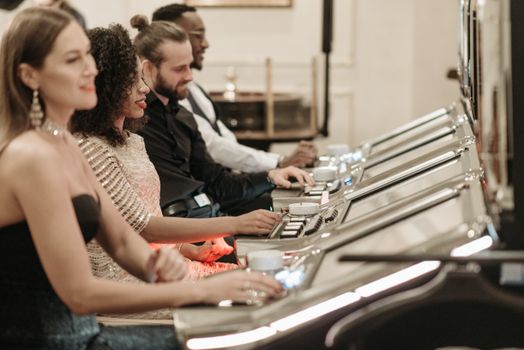
Brazil’s casino industry is experiencing an exciting transformation. As the sector continues to grow—projected to reach over $2.1 billion in revenue by 2027, according to Statista—operators and stakeholders are increasingly realizing that true success goes beyond profits and game portfolios. In recent years, a new wave of commitment to diversity and inclusion (D&I) has emerged within Brazilian casinos, reshaping hiring practices, customer experiences, and even marketing strategies. This shift is not just about compliance; it’s about building a sustainable, innovative, and socially responsible industry that reflects the vibrant diversity of Brazilian society.
In this article, we’ll explore how Brazil’s casino industry is embracing diversity and inclusion, the tangible steps being taken, and the positive impacts seen across the sector. From workforce changes to accessible gaming and community outreach, the industry is setting an example for entertainment businesses across Latin America.
Diversity and Inclusion: A New Priority for Brazil’s Casinos
For decades, the gambling sector in Brazil was marked by a lack of representation and limited opportunities for underrepresented groups. However, with the liberalization of gaming laws and the rapid expansion of both land-based and online casinos, the industry is undergoing a cultural shift. Recent studies show that businesses with high levels of D&I are 35% more likely to outperform their competitors financially (McKinsey, 2020). Recognizing this, leading casino brands in Brazil are making D&I a top priority.
.png)
The movement is visibly shaping policies at every level. Casino operators are launching internal audits to identify gaps in representation, developing D&I committees, and setting measurable goals for hiring and promotion. According to the Brazilian Association of Casino Operators (ABOC), over 60% of major casino companies implemented dedicated D&I policies between 2022 and 2024. This is a significant leap compared to just 18% in 2020.
Championing Workforce Representation: Hiring and Advancement
A key focus area for D&I efforts is workforce representation. Brazil is a country known for its rich ethnic, cultural, and gender diversity—yet historically, this was not reflected in the casino workforce, especially at management levels. Today, that’s changing fast.
Casinos like Casino Rio and São Paulo Grand have introduced “Talent Without Borders” programs, actively recruiting individuals from marginalized communities—including Afro-Brazilians, Indigenous Brazilians, LGBTQIA+ individuals, and people with disabilities. These initiatives go beyond recruitment, offering mentorship, leadership training, and anti-bias workshops.
The impact is measurable. In 2023, the proportion of women in management roles at Brazil’s top five casinos rose to 38%, up from just 22% in 2020. Similarly, Afro-Brazilian representation in staff positions increased by 15% over the same period. The industry is also making strides in accessibility: the national average for hiring persons with disabilities in casinos reached 6.7% in 2023, surpassing the legal minimum of 5% set by Brazil’s Inclusion Law.
Building Inclusive Customer Experiences
Diversity and inclusion efforts aren’t limited to the back office. Brazilian casinos are reimagining their gaming environments to be welcoming for all patrons, regardless of background, ability, or identity.
Physical spaces are being redesigned with accessibility in mind. Casinos now feature wheelchair-accessible entrances, Braille signage, and adaptive gaming tables. For the deaf and hard-of-hearing community, digital displays and sign language interpreters are becoming standard in high-traffic areas. In 2022, Casino Copacabana reported a 30% increase in guests with disabilities after introducing these accessibility features.
In addition, casinos are introducing multilingual support. Brazil is home to over 200 Indigenous languages and a large immigrant population. Recognizing this, many operators now offer customer service in Portuguese, English, Spanish, and even Indigenous languages in key regions. This not only enhances the gaming experience but also strengthens community ties.
Inclusive Marketing and Community Engagement
Marketing in the casino sector has traditionally targeted a narrow audience, often reinforcing stereotypes. Today, Brazilian casinos are taking a more inclusive approach, recognizing the value of reaching—and representing—diverse groups.
Inclusive marketing campaigns now feature people of various ethnicities, ages, and abilities. During the 2023 São Paulo Diversity Festival, several casinos sponsored events and ran promotions celebrating LGBTQIA+ pride. Such campaigns have tangible effects: a 2023 survey by Datafolha found that 56% of Brazilian casino patrons felt “more welcomed” by casinos that visibly support diversity initiatives.
Beyond advertising, casinos are engaging directly with communities. Partnerships with NGOs and community organizations help promote employment, education, and support services for marginalized groups. Casino Manaus, for example, runs annual workshops for Indigenous youth on digital skills and hospitality, helping to bridge the gap between traditional communities and the modern gaming industry.
Comparing Diversity Initiatives: Brazil vs. Other Gaming Markets
How does Brazil’s commitment to diversity and inclusion compare with other major gaming markets like the United States and Europe? The following table provides a snapshot of key D&I indicators in 2023:
| Region | Women in Management (%) | Ethnic Minority Staff (%) | Disability Inclusion (%) | Dedicated D&I Policies (%) |
|---|---|---|---|---|
| Brazil | 38 | 41 | 6.7 | 60 |
| United States | 44 | 35 | 5.5 | 75 |
| Europe | 36 | 32 | 7.2 | 68 |
While the US leads in dedicated policy adoption, Brazil is closing the gap on staff diversity and has surpassed Europe in ethnic minority representation. The figures reflect a strong commitment and rapid progress, especially considering Brazil’s relatively recent casino market liberalization.
Challenges and Opportunities Ahead
Despite significant advancements, the journey toward full inclusivity in Brazil’s casino industry is not without challenges. Deep-rooted societal inequalities can impact hiring and advancement. Language barriers, especially for Indigenous and immigrant communities, require ongoing investment in translation and cultural training.
Moreover, there are gaps in data collection and transparency. Industry leaders are calling for standardized D&I metrics and regular public reporting to track progress and hold operators accountable. Collaborative industry-wide initiatives, such as the “Brasil Diverso” forum launched in 2024, are helping to set benchmarks and share best practices.
On the opportunity side, embracing D&I is proving to be a competitive advantage. Diverse teams drive innovation—a 2021 Harvard Business Review study found that companies with diverse leadership are 70% more likely to capture new markets. For casinos, this translates into fresh game concepts, broader customer appeal, and stronger brand loyalty.
The Future of Diversity and Inclusion in Brazil’s Casino Industry
As Brazil’s casino industry continues to mature, diversity and inclusion are moving from “nice-to-have” to essential business practices. Regulatory pressure, consumer expectations, and global trends are all accelerating the pace of change. In the next five years, experts anticipate that D&I will be embedded in every facet of the casino experience—from recruitment and training to marketing, product design, and community involvement.
The industry’s journey is far from over, but the strides made so far are impressive. Brazilian casinos are not only reflecting the country’s multiculturalism but also setting a benchmark for entertainment sectors across Latin America. By embracing diversity and inclusion, they are building a stronger, more dynamic, and more sustainable future for gaming in Brazil.